
Brand
Lee Kum Kee
Origin: China9 products on offer
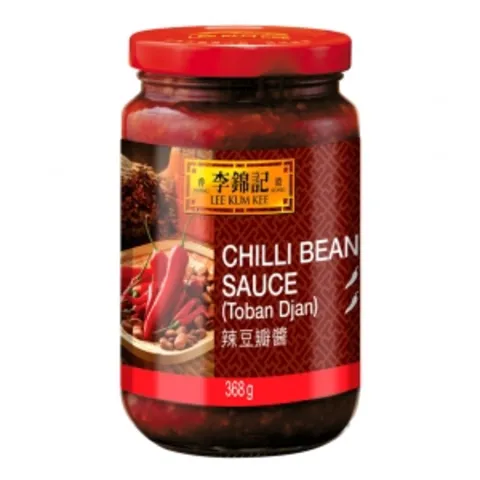
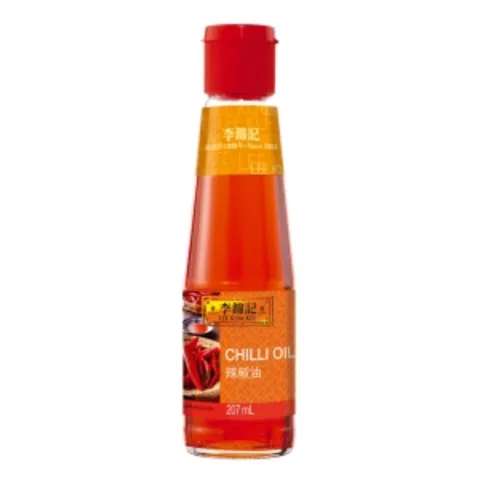
Lee Kum Kee is a Hong Kong family company that invented oyster sauce in 1888. From Lee Kum Kee we stock oyster, hoisin and char siu sauces, toban djan paste, chilli oil, and minced garlic and ginger.
History
In 1888 Lee Kum Sheung ran a small eatery in Nanshui in the southern Chinese province of Guangdong, where he cooked oyster soup. According to the company history, he once left it on the fire too long and the soup reduced to a thick brown sauce. That is how oyster sauce was born; he began selling it and then producing it on a large scale, together with shrimp paste.
In 1902 the company moved to Macau and in 1932 to Hong Kong, where it opened a branch on Queen's Road Central. The second generation, led by Lee Shiu Nan, began exporting oyster sauce to the United States from 1920. The third generation was led from 1972 by Lee Man Tat, who bought out his relatives' shares and expanded the company worldwide; since 1991 Lee Kum Kee has also produced in California.
In the 1980s five members of the fourth generation joined the company, and they still run it today; the fifth generation is already joining the business, so Lee Kum Kee remains in the hands of the Lee family. It is headquartered in Tai Po, Hong Kong, makes more than 300 sauces and sells them in over 100 countries.
Did you know?
- The oyster sauce the company started with more than a century ago is still its best-known product.
- Lee Kum Kee sauces have flown into space several times with the crews of China's Shenzhou spacecraft – six varieties went up on the Shenzhou 11 mission.
- The company's guiding principle is "Si Li Ji Ren" – in business, consider the benefit of others too.
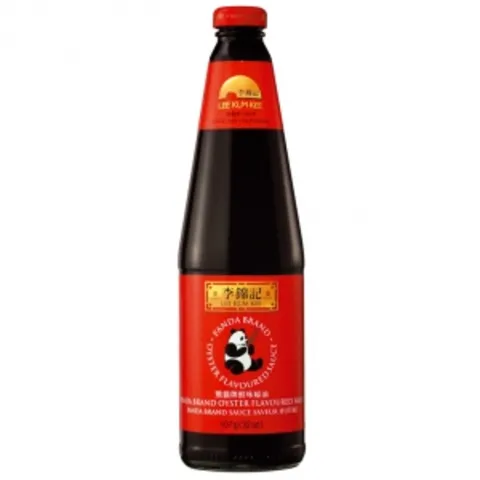
- The company also sells oyster sauce under the Panda brand.
What we stock
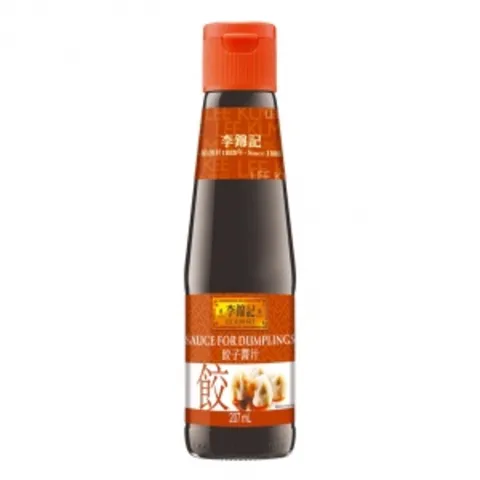
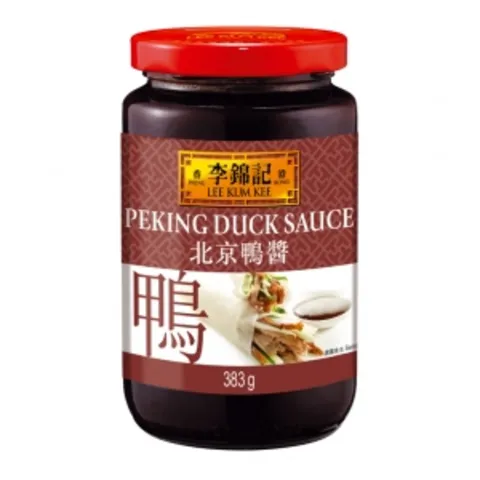
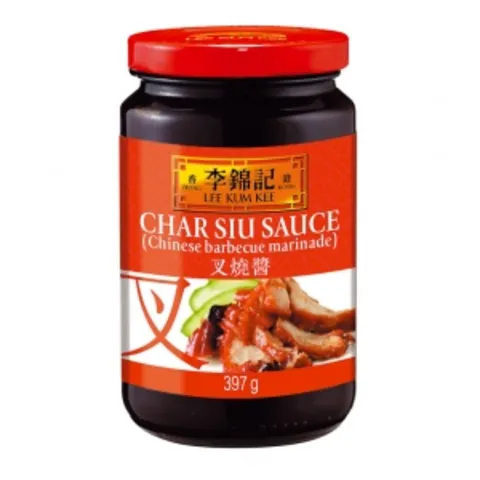
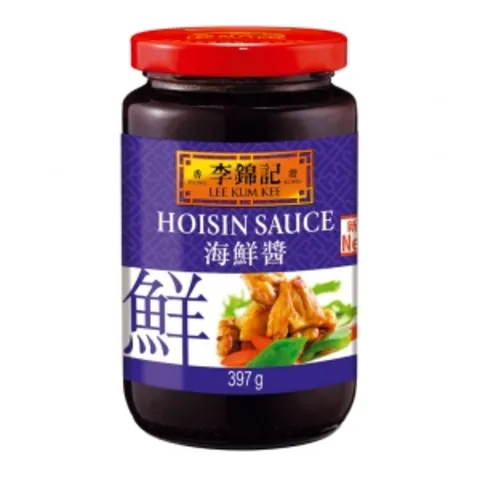
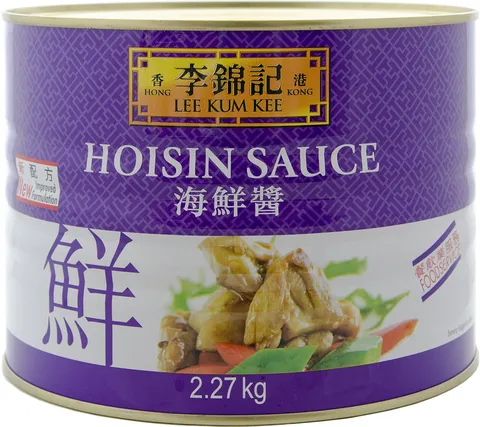
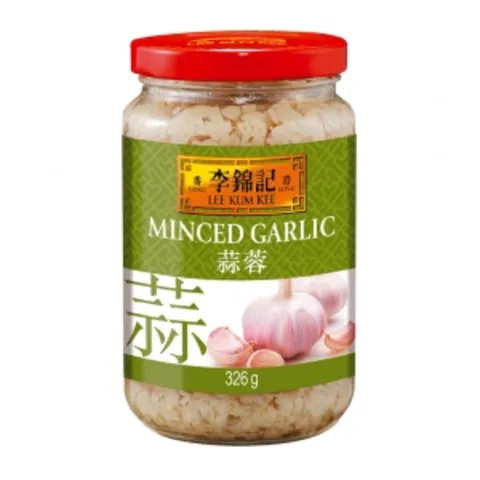
Panda oyster sauce in a large pack, hoisin sauce in a jar and in a 2.27 kg tin for catering, char siu sauce for Cantonese roast pork, Peking duck sauce, spicy toban djan bean paste for Sichuan cooking, chilli oil, dumpling sauce, and minced garlic and ginger in jars.
Oyster sauce belongs in stir-fried vegetables, noodles and rice – a spoonful at the end of wok cooking is enough. Hoisin and char siu are good for marinating meat and for glazing roast ribs or chicken wings, Peking duck sauce for pancakes with duck and cucumber, toban djan for mapo tofu or spicy soups. Dumpling sauce also works as a dip for spring rolls, and minced garlic with ginger saves time in every wok dish.
Categories:
9 items